From Appenzell to Varanasi: Orthotist on Overseas Deployment
Right after my training as an orthotist, I went on a Civilian Service overseas deployment to India. A reflection on six months of orthopedics in Varanasi.
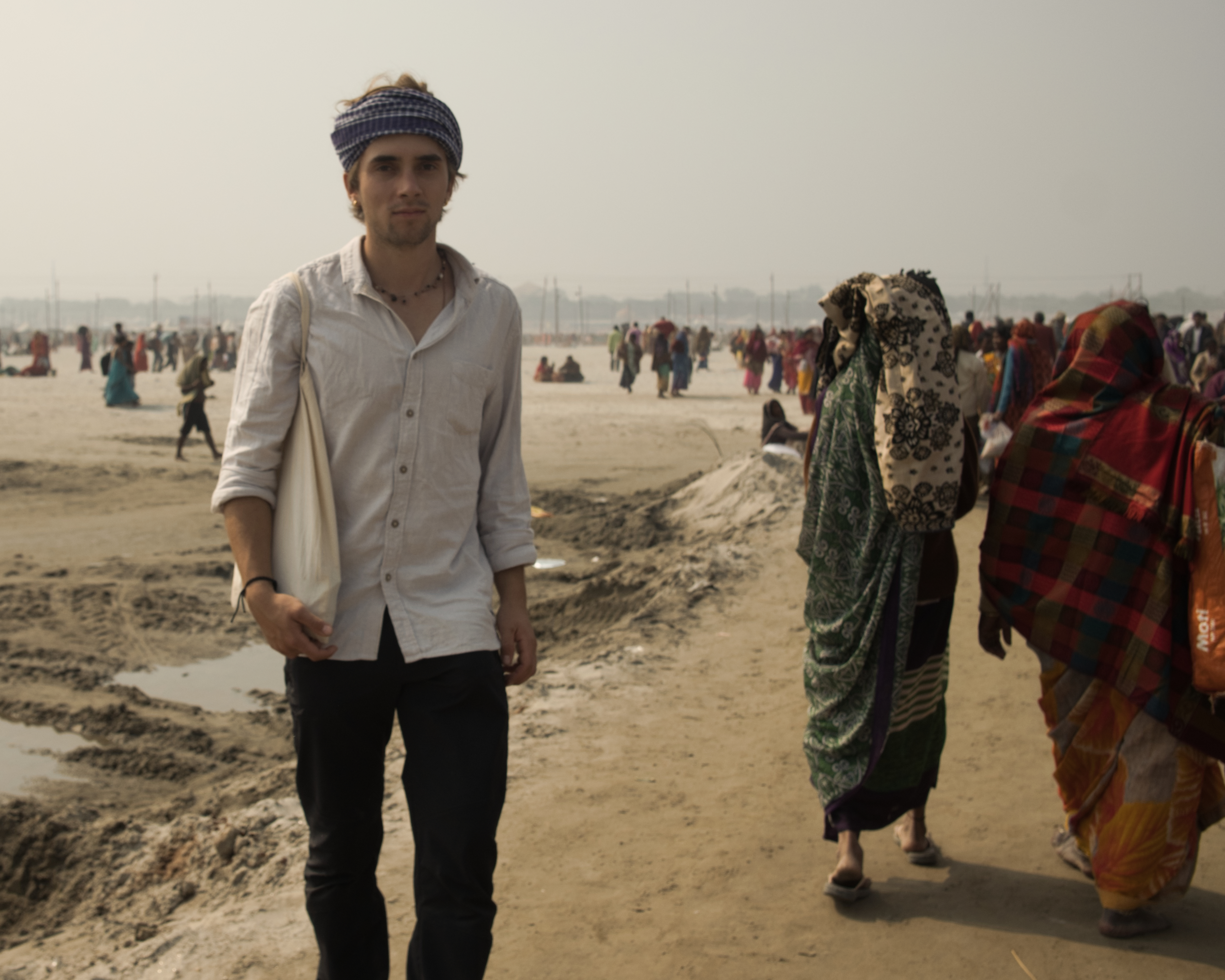
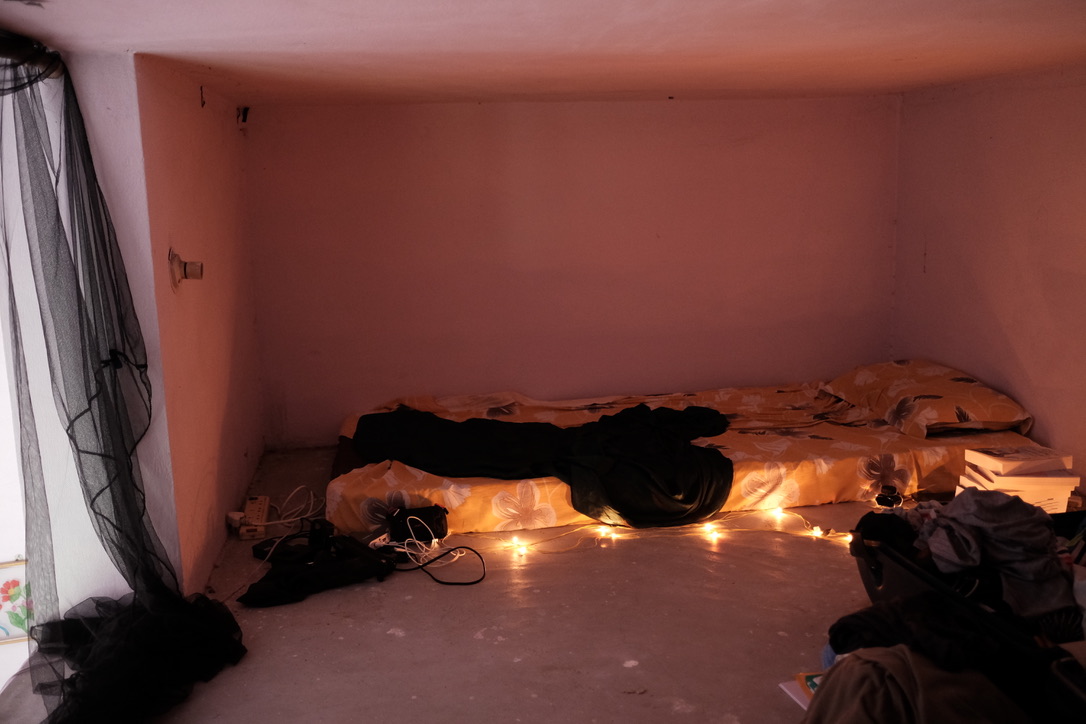
In October 2018, the time had come. With two large suitcases, I made my way from small, traditional Appenzell to the most religious and craziest city in India. The suitcases were full of feet, rods, and knee joints (old prosthetic parts that were no longer needed in Switzerland). My family and friends could hardly believe that I was leaving the beautiful and safe Switzerland to live for half a year in a completely contrasting culture with a lot of poverty and suffering. Since the beginning of my apprenticeship, I had planned to practice my profession in another country that urgently needed help. Therefore, a Civilian Service overseas deployment in India, right after my training as an orthotist, was the perfect opportunity.
Since I had never left Europe before and also come from small Appenzell, another orthotist doing his Civilian Service picked me up at the airport in Delhi. This made arriving in India easier. He showed me how to negotiate properly on the street and what things to look out for when traveling, so as not to put oneself in danger or get ripped off by the locals. After that, we took a second flight together to my new workplace and residence, the Kiran Society organization in Varanasi, Uttar Pradesh.
In the narrow alleyways of Varanasi, you can find elephants, camels, monkeys, pigs, peacocks, and of course many holy cows. The traffic is chaotic and loud, anything but orderly and perfect like in Switzerland. In the evening, the entire city is bustling with life. On the banks of the holy river Ganges, ceremonies with thousands of lights and flowers are held daily. The prayers can be heard in the smallest corners of the city. The holiest city of the Hindus is visited by many pilgrims, and there is an exceptionally positive atmosphere that I have never experienced anywhere else like this.
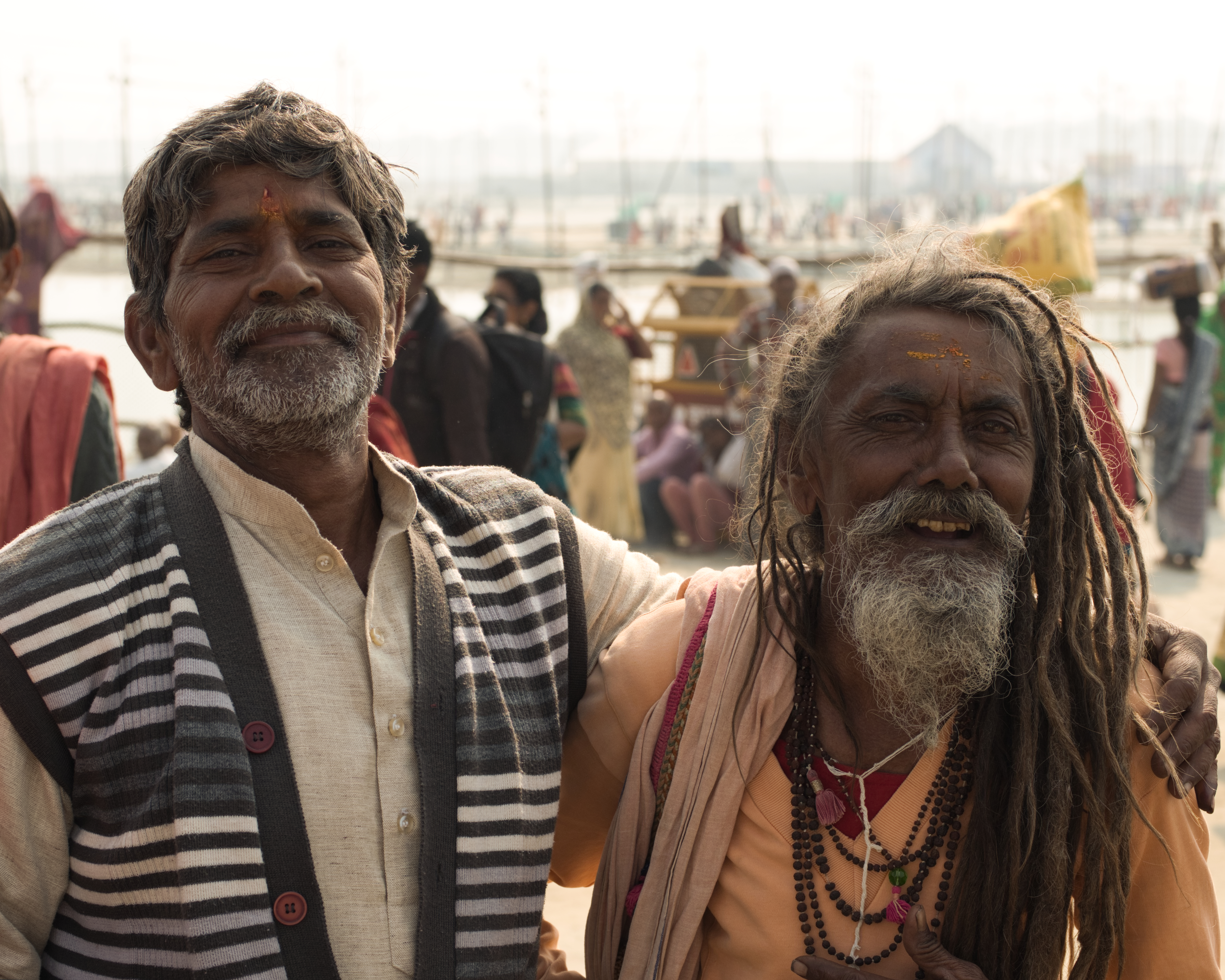
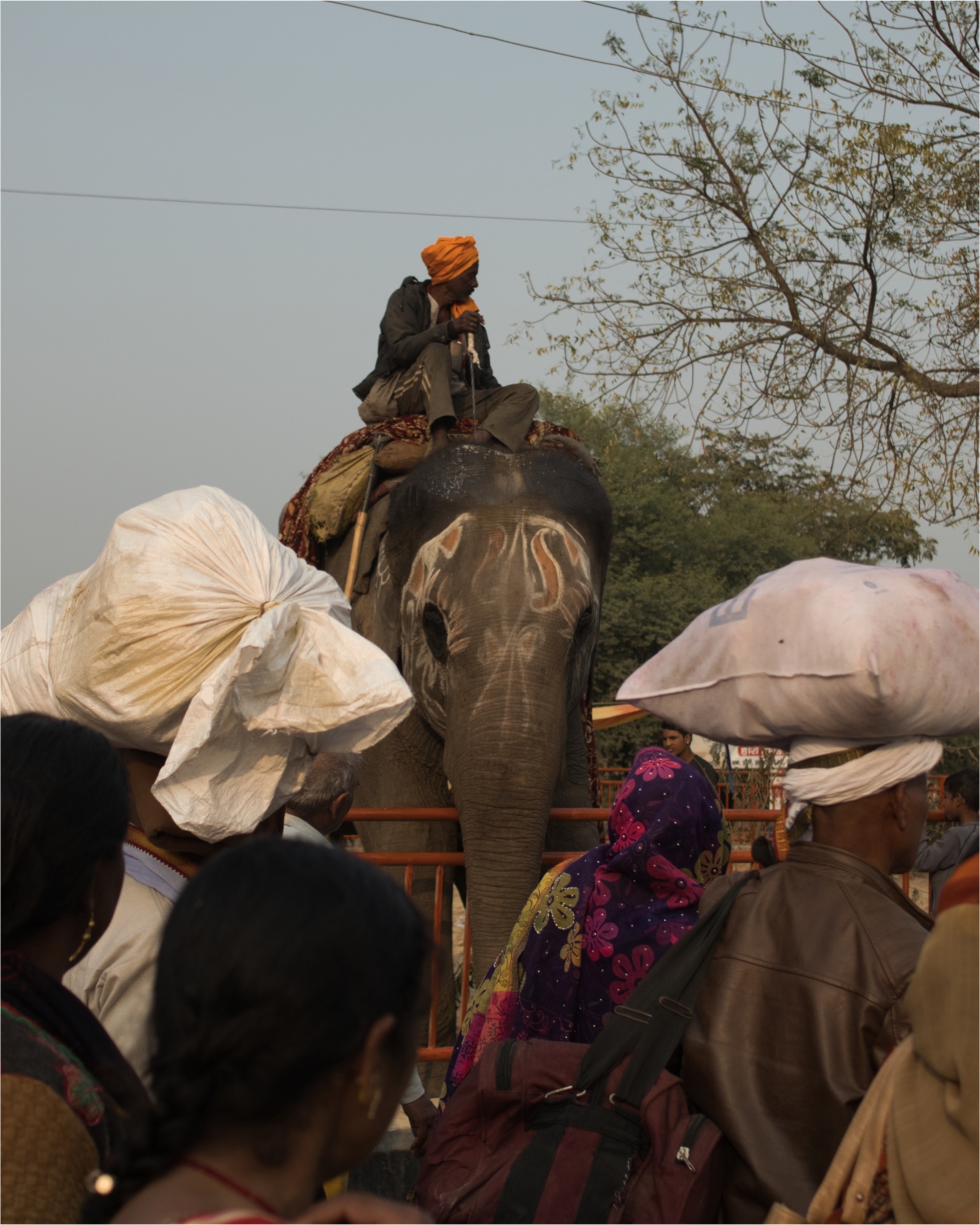
The journey there was overwhelming. As the small bus drove me through the streets at night, I was glued to the window, speechless and wide-eyed. It felt as if I were on another planet. Everything seemed so foreign and different to me. It was not a culture shock, but a deep fascination with what I saw. I felt a profound amazement that something like this even exists in the world. Even though it was already the middle of the night, an endless amount of things were happening outside all at once. Families with small children could be seen on the side of the road. They live in self-built mud huts or under stretched plastic tarpaulins, while the dirt from the street blows through their huts and the river next door, carrying a black broth, leaves a biting smell in the nose.
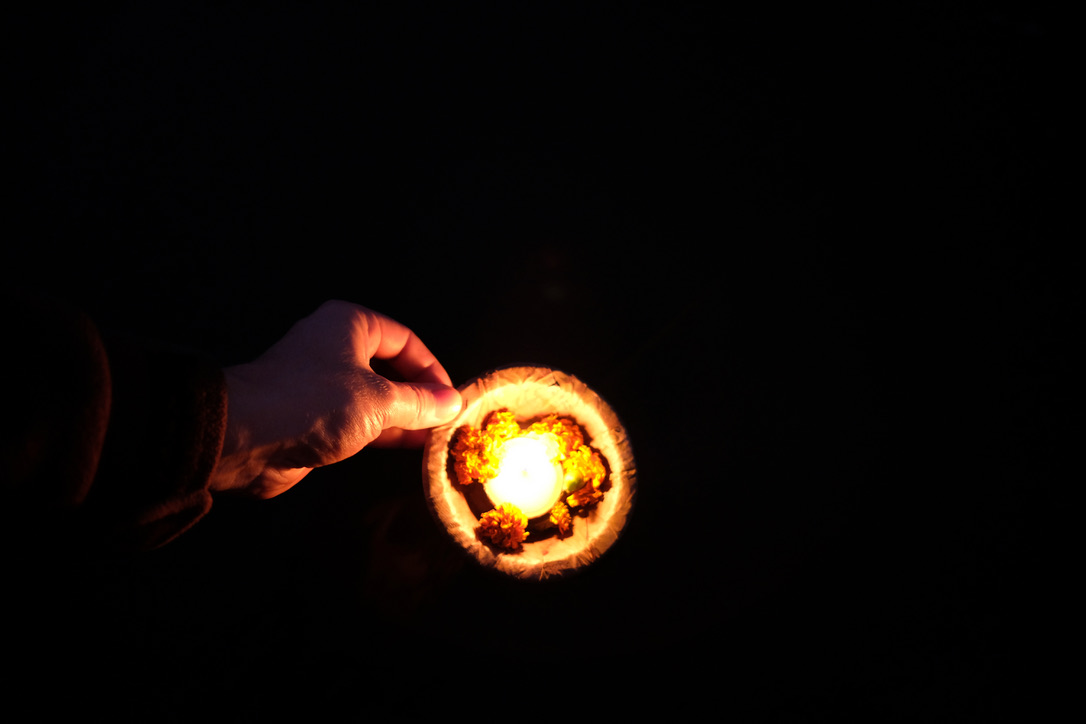
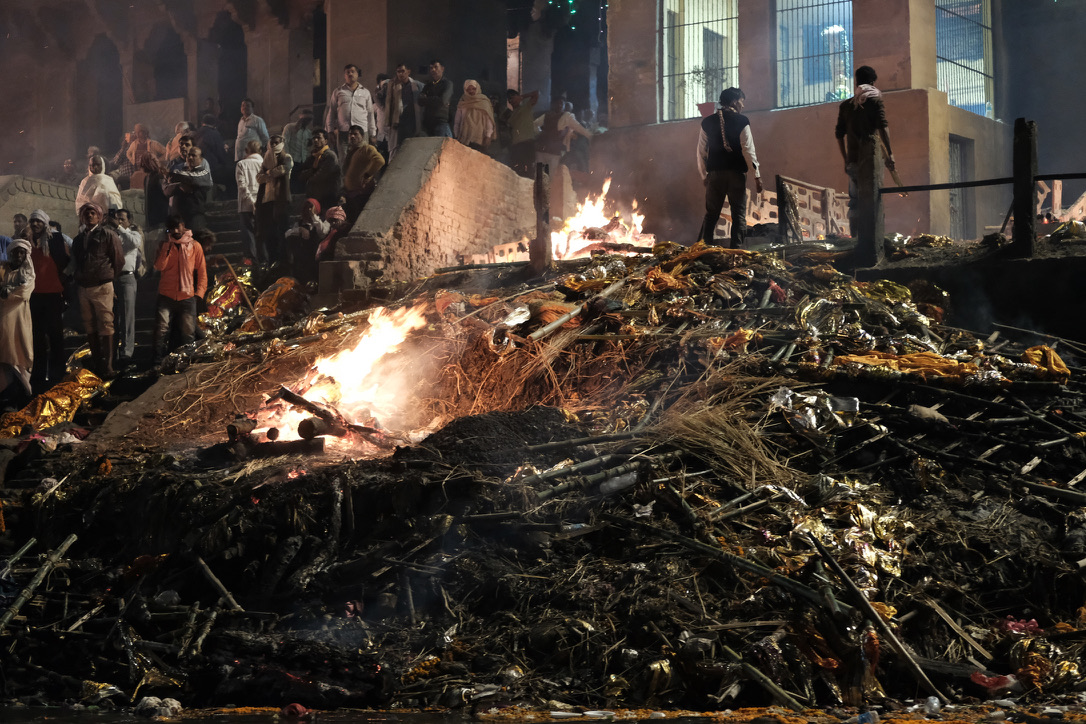
Right on the banks of the Ganges, where thousands of people walk up and down every day, cremations are performed under the open sky around the clock, while people next to them brush their teeth or dance to wild music. Every Hindu dreams of being cremated on the Ganges in Varanasi, as this frees one from the cycle of rebirth. It is clearly noticeable that this is a great honor for these people. This makes the sight of this ritual not seem terrible.
Kiran Village is located 12 kilometers outside the city, surrounded by a few farms with rice fields and buffaloes. A five-minute walk takes you to a small Shiva temple built directly on the banks of the nearby Ganges. It is the perfect place to relax and enjoy the sunset after work. Upon my arrival, I was surprised by how large the KIRAN organization is. It consists primarily of individual small school buildings that provide education for about 400 poor and disabled children. In addition to the regular school, the young Indians are also offered degree programs or vocational training, for example as tailors, gardeners, carpenters, as well as male and female orthotists. This represents a huge opportunity, especially for disabled people who are often discriminated against. They can learn a good profession in order to lead a normal life integrated into society later on.
In addition to education, many specialized areas of rehabilitation are also covered, which includes diagnosis, therapy, medical measures, and the provision of orthopedic aids. I came to the «Ortho-Unit» with the expectation that I would make improvised aids with simple tools, a small assortment of materials, and a lot of creativity. However, it turned out that this workshop is very modernly equipped in contrast to the Indian standard. We receive many used components from Swiss orthopedics companies, which are in usable condition despite some signs of wear. We can thus produce high-tech prostheses and orthoses and bring a smile to the patients' faces when they say goodbye to their old orthosis, which usually consists of a few bent metal rods.
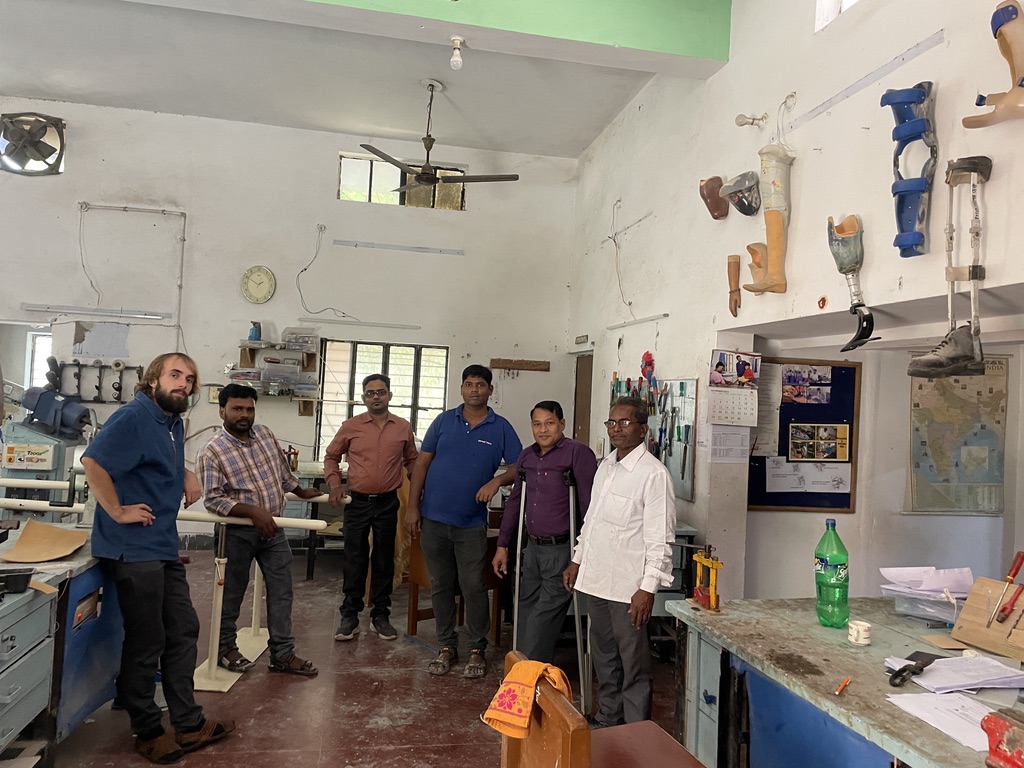
The required tools at Kiran are also state-of-the-art. The employees already have very good knowledge and a high quality standard. This is largely thanks to the many Civilian Service members who have annually brought what they learned of the newest and most modern techniques from Switzerland to India. The most thanks, however, go to Hampi Stastny, who visits Kiran twice a year to treat the complex orthopedic cases. Through his good leadership, the workshop has been brought to this high level over the last ten years.
Two Exciting Prosthetics Cases
First Case: Lower Leg Prosthesis After a Motorcycle Accident
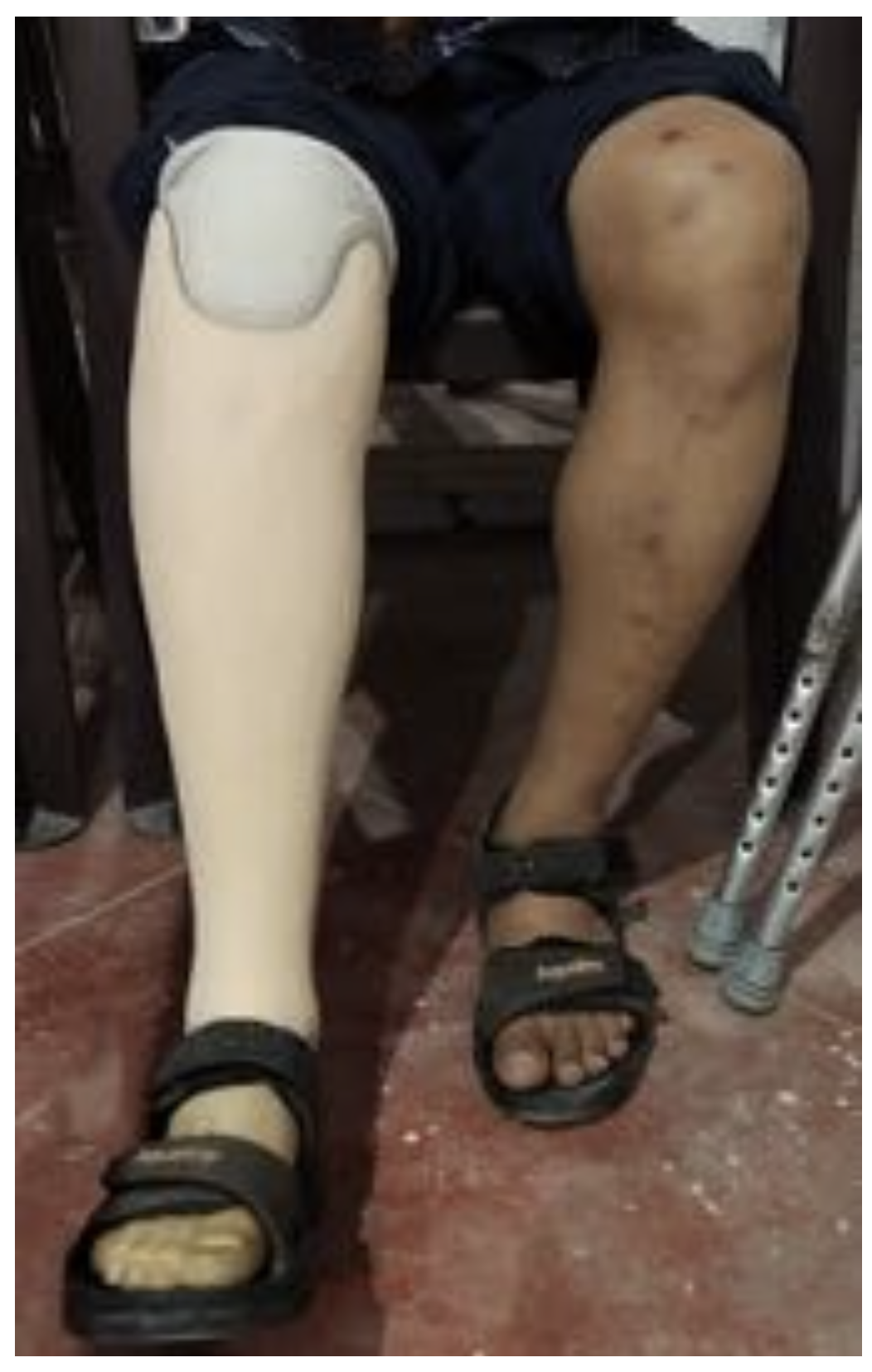
This man, about 45 years old, had lost his right leg in a motorcycle accident. Since the injuries were too extensive, the leg had to be amputated in the middle of the lower leg. His expectations were quite low when he recently arrived at our facility with two crutches. He no longer saw much hope for his future and had given up his job as a cleaner in a school building.
Through carbon fiber technology, we were able to produce a light and stable prosthesis for him. Additionally, we installed a used, dynamic carbon spring foot from Switzerland, which you otherwise almost never see in India. Indian prostheses mostly still consist of plastic and wooden parts. When the patient came for the fitting, he beamed all over his face. After only a few steps, he could already walk without walking aids. Shortly thereafter, he disappeared to test his prosthesis outside. Only after two hours did he come back so that we could finalize the prosthesis. He is now working again at his old workplace, and I am always happy to receive a visit from him at Kiran.
Second Case: Treating a Four-Year-Old Girl
I treated this case together with Hampi, our orthopedics coach. I discovered the girl at an outreach camp. The camps organized by Kiran take place regularly in remote regions of Varanasi. The outreach team consists of a doctor, physiotherapists, special educators, and a technician for orthotics and prosthetics. Together, the optimal therapeutic measures for the patients are examined and later carried out during a longer stay at Kiran or in a specialized hospital.
This four-year-old girl lost her left leg and her mother, who was holding her in her arms, in a tragic train accident. After we had examined the young girl, I contacted Hampi in Switzerland to discuss the appropriate treatment and to organize the prosthetic components. Shortly after, I was sent a photo of all the necessary parts that he had organized in Switzerland and would bring along to India. Upon his arrival, we were able to start working on the difficult-to-manufacture prosthesis that very weekend.
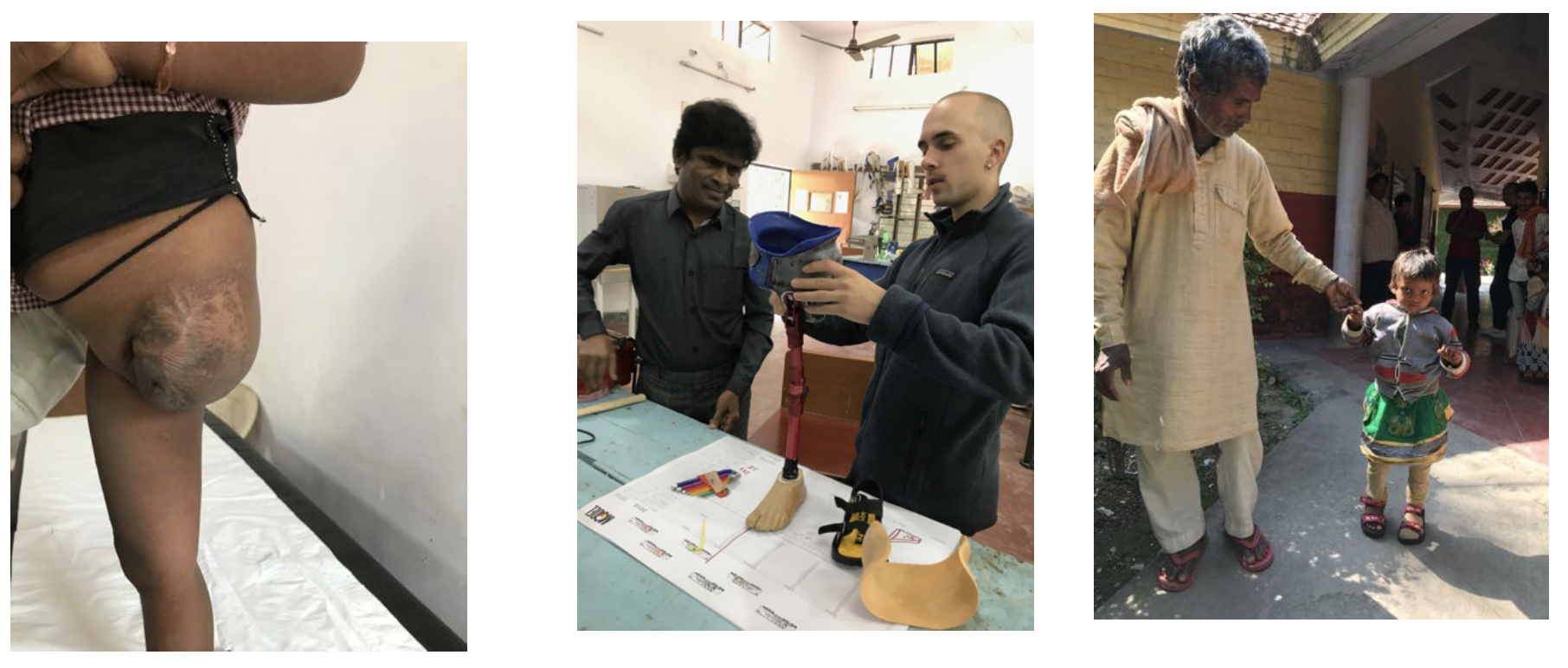
Our expectations were exceeded. The girl, who was initially sad and crying, was able to take her first steps on her own after just two days and was very happy when she stood on two legs again.
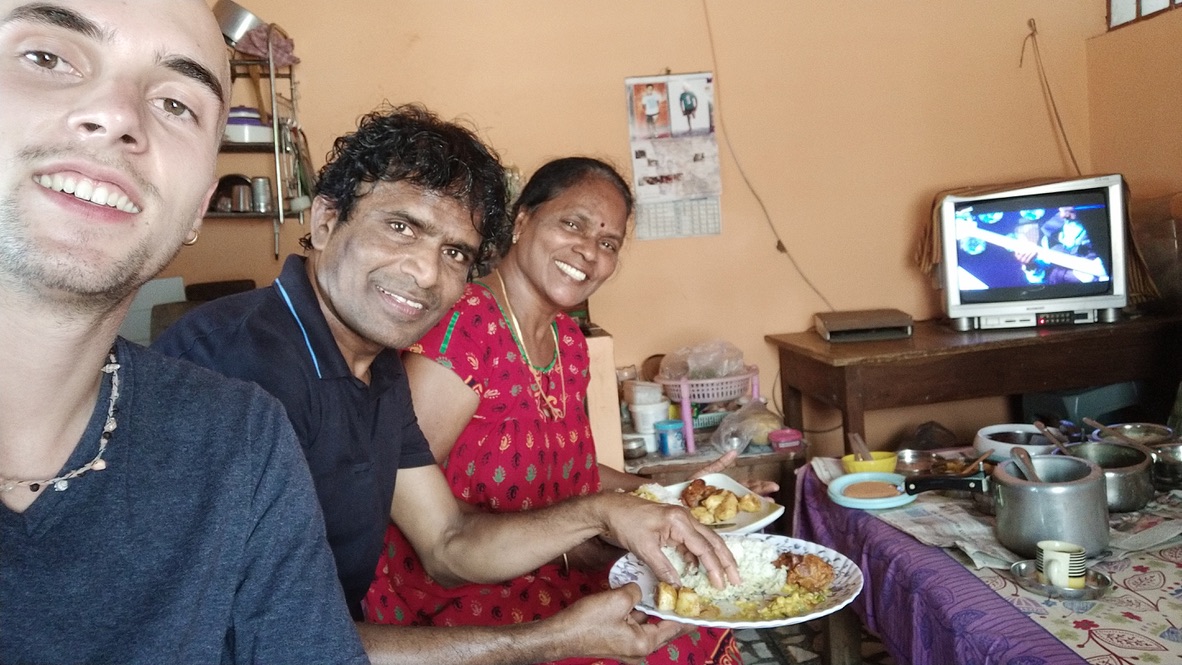
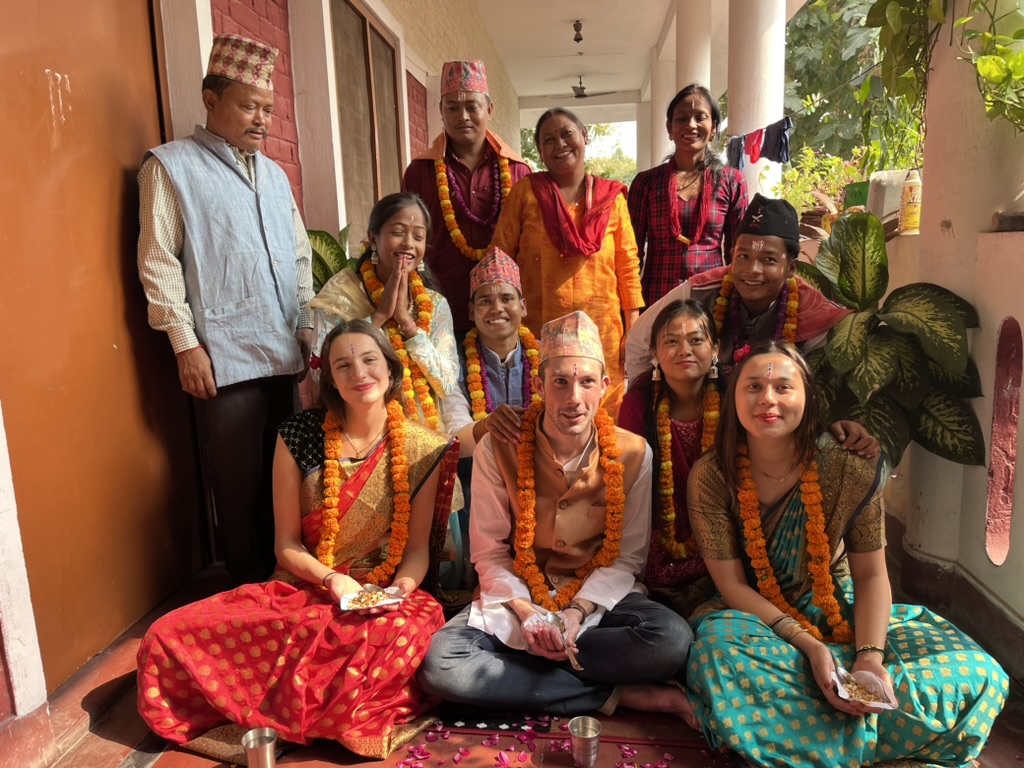
The time at Kiran will remain in my memory forever. I was able to learn a lot from the positive charisma and openness with which people approached me. I was regularly invited by individuals and included in Indian culture, be it at a housewarming, a shared exchange of culinary skills, or at a traditional Indian wedding. Close friendships formed quickly. Despite forgoing the comfort I had in Switzerland, I was able to spend one of the most instructive and exciting times of my life so far in India with a little patience and openness.
Many thanks to the entire Kiran family and especially to Hanspeter Stastny, who always takes the best care of the orthopedics at Kiran and the many Civilian Service members.
Madhopur, Varanasi U.P. in April 2019
Newsletter
Receive a letter when I publish a new article. I do my best not to clutter your inbox with unnecessary junk.
No spam. Unsubscribe at any time with a single click.
Discussion
0 comments